Infrared thermography is useful anywhere temperature patterns can reveal how a system is performing. The equipment and inspection conditions vary, but the core advantage is the same: important differences can often be documented without dismantling or interrupting the system.
1. Electrical systems
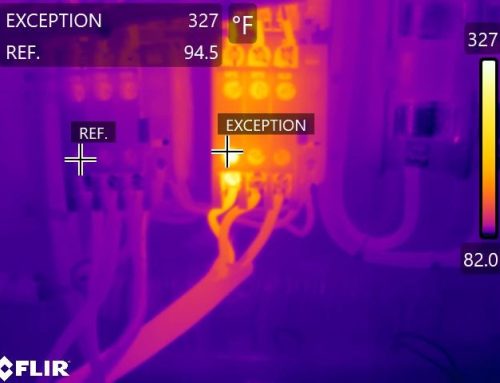
Electrical infrared inspections evaluate energized equipment for abnormal heating associated with connections, components, phase loading and other conditions that warrant further investigation. Common targets include switchgear, panels, bus connections, transformers and distribution equipment.
2. Mechanical equipment
Mechanical infrared surveys compare operating temperature patterns across motors, bearings, couplings, pumps and driven equipment. Trending and repeatable inspection conditions can help maintenance teams recognize change over time.
3. Building envelopes and commercial roofs
Building-envelope thermography can help document thermal patterns associated with insulation continuity, air leakage and moisture. Under suitable weather and roof conditions, infrared roof surveys can support investigation of suspected moisture within compatible roofing systems.
4. Utility assets
Utility infrared surveys extend thermal inspection to substations, overhead equipment, cable terminations and distribution assets. Efficient collection methods help utilities evaluate large groups of components while keeping the results organized and actionable.
5. Solar arrays
Solar infrared inspections evaluate modules and related electrical equipment for patterns that may indicate cells, connections or components requiring closer review. Appropriate irradiance and operating conditions are important to the quality of the survey.
6. Maritime and shipboard systems
Maritime infrared inspections bring the same disciplined approach to electrical and mechanical systems aboard working vessels. Planning around vessel access, operating schedules and confidentiality is a central part of the assignment.
Building the right inspection scope
The strongest programs match the method to the asset, operating condition and maintenance objective. Infrared may also be combined with services such as optical gas imaging or ultrasound inspection when those technologies better address a particular question.
Not sure where to begin? Describe the systems, locations and concerns, and Accurate Infrared will help develop an appropriate inspection plan.